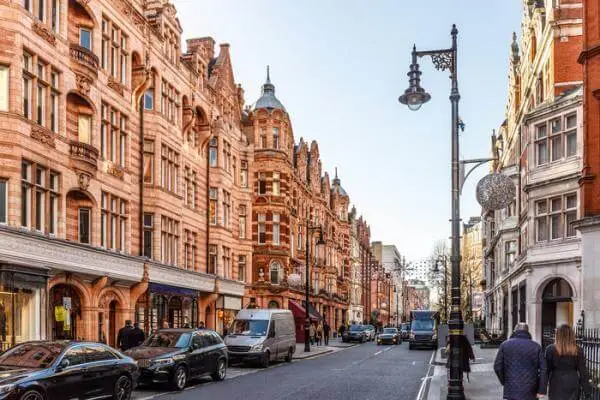
We’re peeling back the velvet rope to reveal the architectural grandeur and hidden histories of Mayfair’s most storied casino buildings. Nestled within the exclusive postcodes of the City of Westminster, these establishments are far more than mere gaming venues; they are custodians of style, chapters of social history, and masterclasses in design. From Georgian townhouses to Art Deco gems, the architecture of Mayfair’s casinos tells a compelling story of luxury, discretion, and timeless appeal, shaping the very essence of the UK urban lifestyle for those in the know.
The Ritz Club: A Belle Époque Masterpiece
Synonymous with unparalleled opulence, The Ritz Club offers an experience that begins with its very foundations. Housed in the world-famous Ritz Hotel on Piccadilly, the club is a breathtaking homage to the Belle Époque. Its Louis XVI-style interiors—a symphony of gilded mouldings, crystal chandeliers, and hand-woven Savonnerie carpets—transport patrons to the height of Edwardian luxury. This is not merely decoration; it is the physical manifestation of a golden era of London society, where grandeur was the default setting.
The Mewès & Davis Vision
The Ritz Hotel was designed by French architect Charles Mewès, in partnership with Arthur Davis, with a specific mandate: to recreate the elegance of Parisian architecture in the heart of London. Their vision resulted in a steel-frame construction clad in Portland stone, a revolutionary design that allowed for the grand, column-free spaces that define the hotel and its subterranean club. The architectural partnership ensured every detail, from the long gallery to the proportions of the gaming rooms, adhered to a strict classical ideal.
A Private Club Reborn
While the hotel opened in 1906, The Ritz Club as it is known today was born from a later transformation. Having operated as a casino for decades, it underwent a meticulous restoration and re-emerged as a fiercely private members’ club. This rebirth honoured the original Mewès & Davis vision while integrating modern security and amenities, ensuring its enduring legacy as a symbol of discreet, high-stakes play within one of the world’s most iconic buildings.
The Clermont Mayfair: Regency Grandeur on Berkeley Square
Standing proudly at 44-46 Berkeley Square, The Clermont Mayfair is a potent symbol of how Mayfair’s gaming scene seamlessly integrates with its historical fabric. The building itself is a Grade II listed townhouse, an exemplar of Georgian architecture with its elegant brick facade and classic symmetry. Its story, however, is layered with centuries of high society, long before the first playing card was dealt within its walls.
A House of Historical Whispers
The history of 44-46 Berkeley Square is rich with notable residents and whispered tales. Built in the mid-18th century, it has been home to aristocrats, politicians, and even a former Prime Minister. When The Clermont Club was established in the early 1960s by John Aspinall, it brought a new, thrilling chapter to the address, quickly becoming the haunt of the era’s elite, from lords to celebrities. The building’s original features—ornate fireplaces, intricate cornicing, sweeping staircases—became the backdrop for a modern legend of glamour and intrigue.
Preserving the Facade
The genius of The Clermont’s presence lies in its respectful preservation. The external facade remains untouched, a perfect piece of Regency grandeur contributing to the architectural harmony of Berkeley Square. Inside, the challenge was met: to blend the demands of a modern casino with the integrity of a historic interior. The result is a masterful juxtaposition where Georgian plasterwork looks down upon bespoke gaming tables, allowing history and contemporary luxury to coexist.
Aspinalls: A Curated Temple of Modern Opulence
Founded by the charismatic conservationist John Aspinall, Aspinalls on Curzon Street represents a deliberate departure from the overtly period-driven grandeur of its neighbours. Instead, it cultivates a club-like atmosphere of curated modern opulence. The aesthetic is one of intimate, confident luxury, focusing on exceptional service, a world-class art collection, and spaces designed for conversation and privacy as much as for play.
The Founder’s Vision
John Aspinall founded the original Aspinalls club with a very personal vision. An eccentric and powerful personality, he sought to create a sanctuary for his friends and the wealthy elite—a place that felt more like a magnificent private home than a traditional casino. This ethos persists. The design is less about architectural historicism and more about creating an immersive, comfortable environment of extreme discretion and taste, a direct reflection of the founder’s unique character.
Art and Ambiance
Walking into Aspinalls is akin to entering a sophisticated private gallery. The walls are adorned with an impressive rotating collection of modern and contemporary art, featuring works by masters like Picasso, Matisse, and Francis Bacon. The interiors, while sumptuous, employ a quieter palette of rich woods, soft leather, and subtle textures. This focus on art and refined ambiance creates a distinctive personality, making it a temple not to a past architectural era, but to a cultivated, contemporary way of living.
The Palm Beach Casino: Mayfair’s Art Deco Time Capsule
While Mayfair is steeped in Georgian and Edwardian style, The Palm Beach Casino at 30 Berkeley Street offers a thrilling stylistic detour. It is the district’s premier Art Deco time capsule, its design echoing the glamour and optimism of the 1930s. With its Streamline Moderne curves, geometric patterns, and elegant use of chrome and glass, it provides a uniquely vibrant and playful architectural character within the Mayfair scene.
A 1930s Social Hub
The Palm Beach originated in the 1930s as a restaurant and social club, capturing the modernist spirit of the age. After a post-war revival and evolution into a casino, it carefully preserved its core architectural identity. The building’s original purpose as a place for see-and-be-seen socialising is etched into its very layout and design, offering a different kind of historical narrative—one of jazz-age exuberance and modernist innovation.
Deco Details and Modern Play
Inside, the period features are celebrated. One can find:
- Signature curved walls and stepped architectural details.
- Sunburst and chevron motifs in the decor and lighting.
- A colour palette of deep burgundies, creams, and metallics true to the era.
These authentic Deco details are not just a backdrop; they are integral to the experience, offering a uniquely theatrical and nostalgic setting for modern gaming, distinct from the classical grandeur found elsewhere in the neighbourhood.
Architectural Styles That Define Mayfair’s Gaming Scene
The collective architectural story of Mayfair’s casinos reveals a sophisticated strategy, balancing preservation with purpose. These venues are masters of duality, presenting a respectful face to the historic streets while engineering interiors for exclusivity and function. This approach has created a unique gaming ecosystem where the building itself is a key part of the allure.
Heritage Facades & Discreet Entrances
A defining feature of Mayfair casino addresses is their use of existing, often listed, buildings. This imposes a set of rules and an inherent aesthetic. The strategy is twofold: to preserve the architectural heritage of the City of Westminster and to leverage the discretion that a classic townhouse facade provides. Entrances are typically understated—a polished brass plaque, a discreet canopy—emphasising privacy over proclamation. This creates an intriguing contrast between the public, historical street and the private, modern world within.
Interiors: From Grand Salons to Private Rooms
Once inside, the interior design navigates a complex brief. It must honour the building’s heritage features while accommodating the practical needs of a 24-hour operation, including stringent security. This leads to a fascinating spatial hierarchy:
- Grand Salons: Often created in original reception rooms, these spaces showcase period details like high ceilings and ornate cornicing, housing main gaming floors.
- Private Rooms & Suites: Tucked away in former drawing rooms or libraries, these offer deeper seclusion, often with bespoke decor and dedicated service.
- Modern Infrastructure: State-of-the-art systems are seamlessly woven into historic fabric, ensuring operational excellence without compromising aesthetic integrity.
These buildings are not simply venues for play; they are integral chapters in London’s architectural and social narrative. From the Belle Époque splendour of The Ritz to the Art Deco flair of The Palm Beach, each structure preserves a slice of history behind its exclusive doors, offering a tangible connection to the past for those who shape the city’s present. They prove that in Mayfair, the game is played not just on the tables, but within the very walls that contain them.